


Destination AC charging
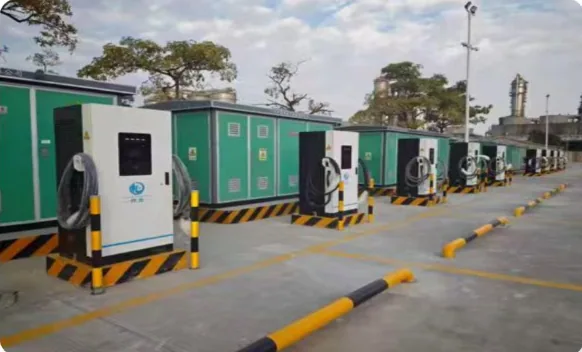
AC chargers can be distributed across regular parking bays at workplaces, commercial buildings, and industrial parks where vehicles stay longer.

Compare destination AC charging, public DC charging, and fleet charging by vehicle type, parking duration, and turnaround needs.
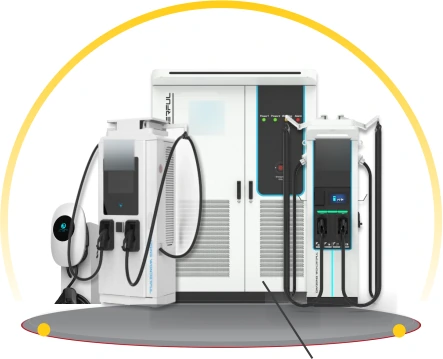
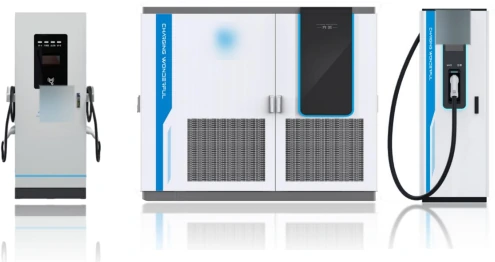
Explore the catalogueEquipment examples in the brochure include 7 kW AC chargers and 60–400 kW DC chargers. Confirm the vehicle inlet, charging interface, and site electrical capacity when evaluating a configuration.
Images and examples are from Zhongkuang Bailian’s new energy materials.
Share how the site will be used, the expected scale, and your timeline so we can discuss suitable options.
Sources include Zhongkuang Bailian’s new energy catalogue and presentation. Targets, tests, certifications, operating figures and cases follow those materials. Consult the project documents for conditions and scope.
Source page 9
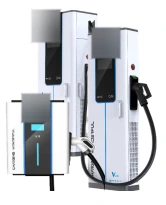
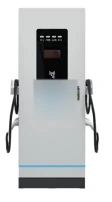
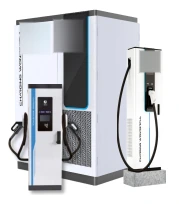
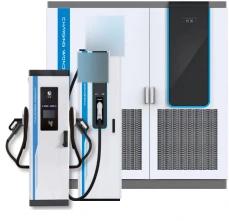
The range spans 7 kW AC to 1,280 kW fast charging. The catalogue lists 11 tests beyond the referenced Chinese standard, including humidity, salt, dust, impact, enclosure aging, continuous charging and spraying, heat, cold, flammability and 600 kW single-connector output.
| Item | Catalogue value |
|---|---|
| AC charger | 7 kW |
| V2G charger | 30–60 kW |
| DC charger | 60–400 kW |
| Distributed charging system | 480–960 kW |
| Ultra-fast charging system | 1,280 kW |
The source lists 11 tests above national requirements: high-humidity ageing, high-salt exposure, dust protection, heavy mechanical impact, enclosure ageing, 10,000 hours of continuous charging, 60 minutes of water spray during charging, 48 hours of continuous charging at 55 °C and another 48 hours at −40 °C, a 960 °C flame test (V0) and 600 kW maximum single-connector output.

Source page 10
The catalogue lists 200–1,000 V output, dynamic power allocation, low standby use, potted modules, cable management and four layers of protection. It reports CE certification and identifies Europe, the Middle East, Africa and Southeast Asia as target markets.
| Item | Catalogue value |
|---|---|
| Standalone AC charger | 7 kW |
| Standalone DC charger | 80–240 kW |
| Distributed charging system | 360–960 kW |
| Output voltage | 200–1,000 V |
The charging system allocates power by terminal demand. Independent airflow, intelligent fan speed and low standby consumption support stable operation. Integrated construction and cable management reduce installation footprint and make handling and maintenance easier.
The catalogue describes potted modules for moisture, dust and corrosion protection, wide-temperature operation without derating, and four levels of safety protection with dynamic electrical monitoring. It lists CE documentation and markets in Europe, the Middle East, Africa and Southeast Asia.
Source page 11
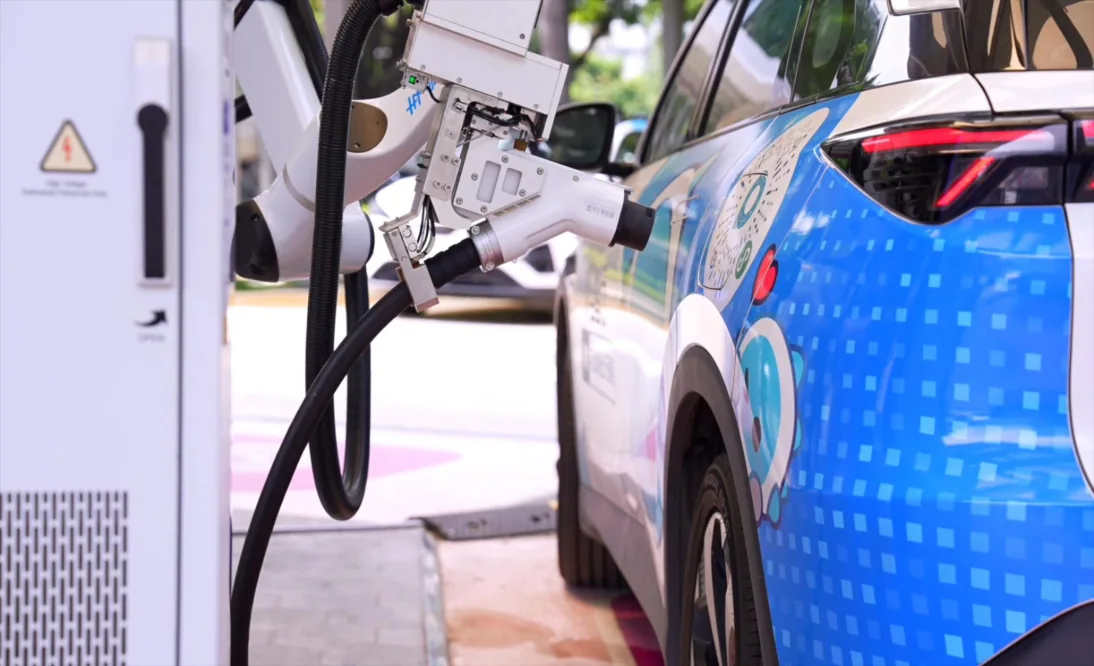
The robot uses a 3D structured-light and multispectral vision module, a six-axis collaborative arm and AI-assisted pose correction for unattended charging.
| Item | Catalogue value |
|---|---|
| Six-axis arm payload | 15 kg |
| Parking angle tolerance | 20° |
| First-attempt docking | ≥98% |
| Docking within 3 attempts | 100% |
| Automatic connection and release time | ≤100 s |
| Positioning accuracy | ±0.5 mm |
| Stable operation rate | ≥99% |
Structured 3D light and multispectral vision locate the vehicle and connector. A six-axis collaborative arm uses AI vision correction to compensate for parking misalignment and support automated plugging and unplugging.

Source page 27
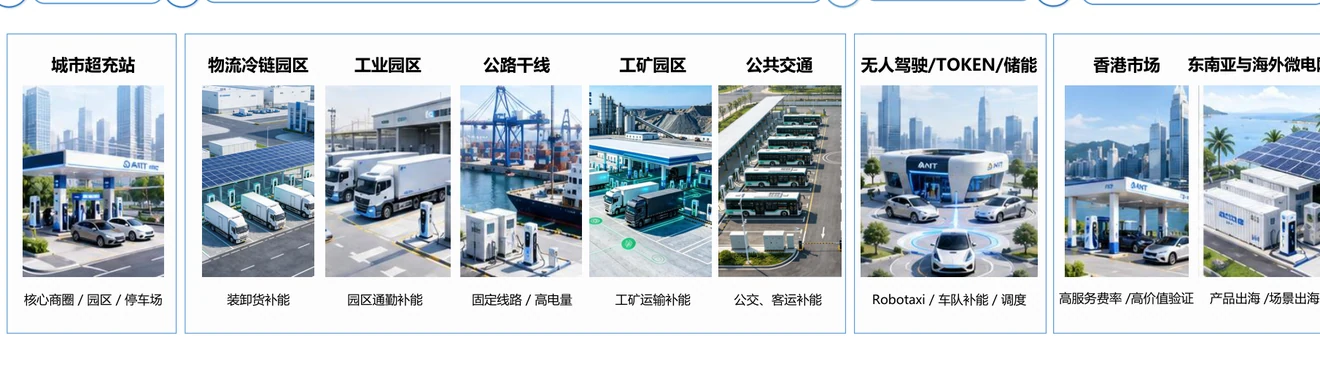
The portfolio extends from urban public stations to cold-chain logistics, industry, highways, mining, public transport, autonomous fleets, Hong Kong and overseas microgrids including Southeast Asia.
Urban sites serve business districts and car parks. Cold-chain operators charge during loading and unloading, industrial parks serve commuters, and highway sites support fixed heavy-duty routes. The plan also covers mines, bus and coach depots, robotaxis, fleet dispatch, TOKEN and energy storage.
The materials cite Hong Kong as a higher-service-fee market and Southeast Asia and overseas microgrids as deployment opportunities. They prioritise recurring demand, high energy use, repeatable projects and services that can add revenue.
Source page 28
Urban delivery charging combines parking, self-service washing, convenience retail, canteens and accommodation. The 720 kW host and 250 kW terminal configuration is detailed below.
| Item | Catalogue value |
|---|---|
| Power density gain | 25% |
| Power allocation time | ≤10 ms |
| Cable weight reduction | 50% |
| Protection and testing | Four protections, 11 above-standard tests |
The configuration uses a 720 kW power cabinet and a 250 kW charging terminal. The catalogue combines charging with parking, self-service vehicle washing, convenience retail, driver canteens and accommodation.


Source page 29
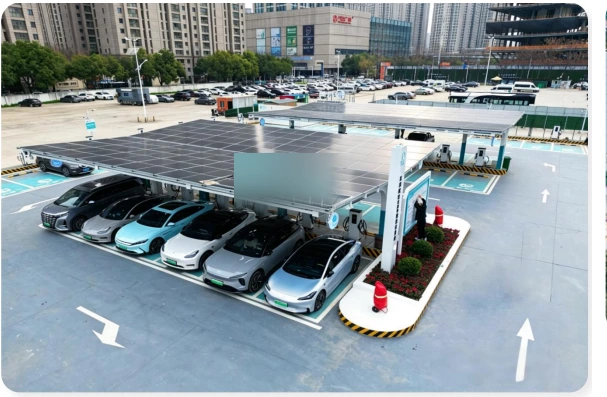
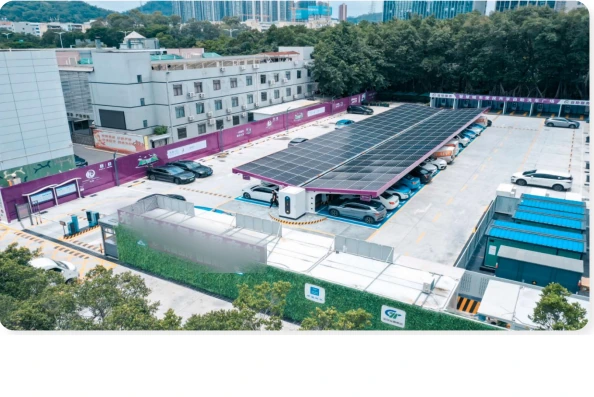
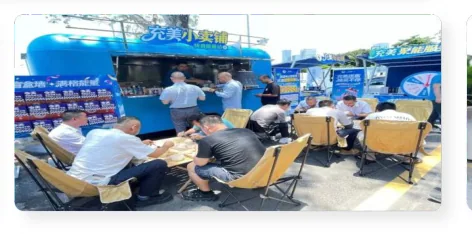
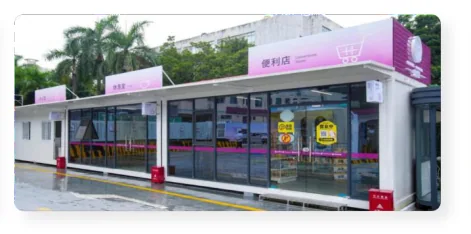
The source illustrates the Wuhan Oceanwide CBD solar-storage-charging site and the Shenzhen Dabao Road solar-storage-charging-and-discharging site, with parking, washing and retail services.
| Item | Wuhan Oceanwide CBD | Shenzhen Dabao Road |
|---|---|---|
| Installed solar | 80 kWp | 105 kWp |
| Storage | 215 kWh | 215 kWh × 5 |
| Distributed charging | — | 720 kW |
| Liquid-cooled fast charging | 600 kW | 600 kW |
| V2G and virtual power plant | Listed | Listed |
Wuhan Oceanwide CBD adds food service to charging, parking, washing and retail. Shenzhen Dabao Road adds vehicle discharging to charging, parking, washing and retail. Both cases list V2G and a virtual power plant.


Source page 30
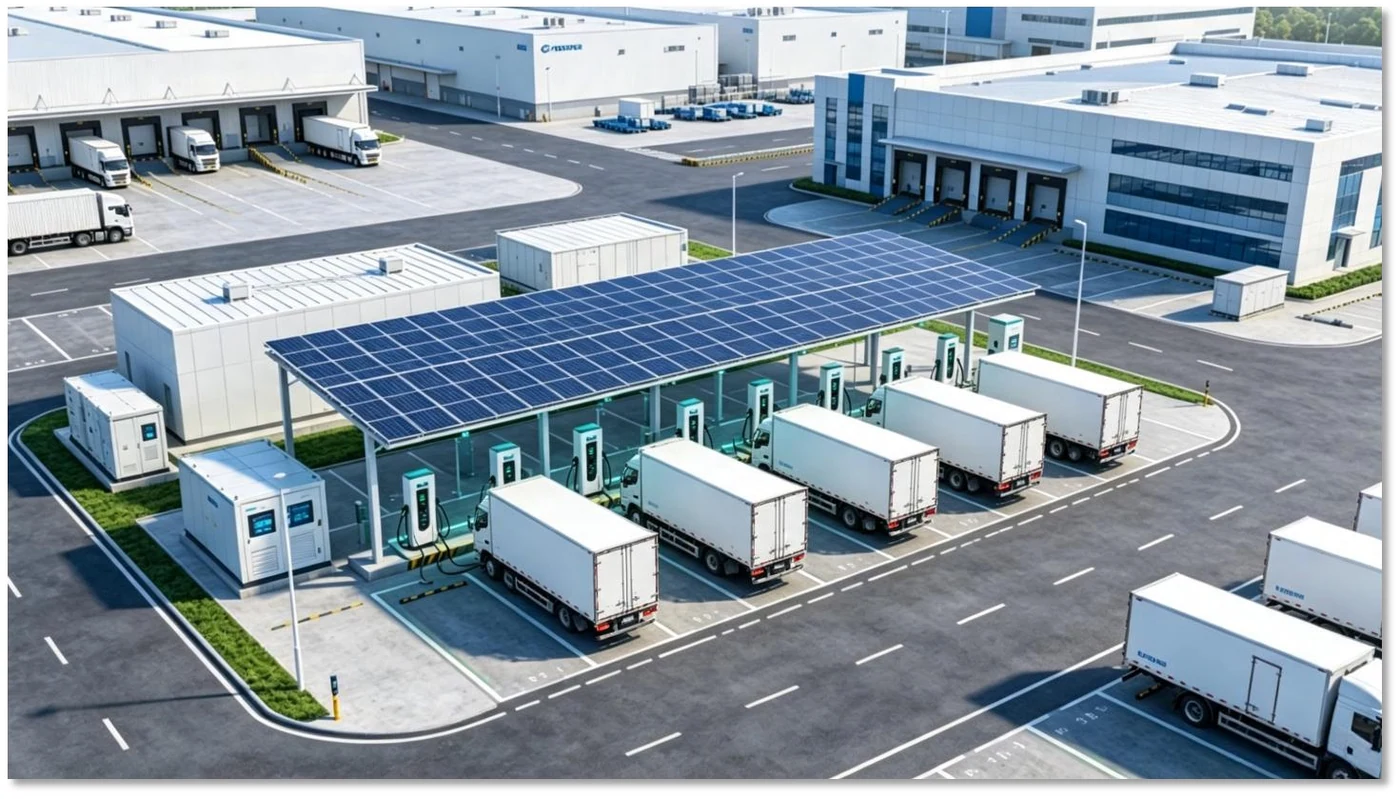
Cold-chain stations serve frequent deliveries, overnight charging and the power demands of refrigerated vehicles, with dedicated parking, cleaning, catering, accommodation and retail.
| Item | Catalogue value |
|---|---|
| Power density gain | 25% |
| Power allocation time | ≤10 ms |
| Cable weight reduction | 50% |
| Protection and testing | Four protections, 11 above-standard tests |
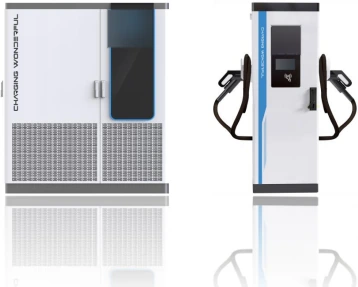
The cold-chain layout uses a 720 kW cabinet and a 250 kW terminal. Locations are planned around warehouse hubs and logistics districts to support frequent trips, overnight charging and refrigeration loads.
Source page 31
The source shows Yuhu Cold Chain in Wuhan, Changsha, Tianjin, Xiangyang and Meishan. Separately, it reports 17 stations across four cities and 280 installed chargers.




物流冷链园区超充站案例
玉湖冷链(武汉)交易中心充电实拍
玉湖冷链(长沙)交易中心 玉湖冷链(天津)交易中心
玉湖冷链(襄阳)交易中心 玉湖冷链(眉山)交易中心
在玉湖冷链集团全国4城布局超充站17座,已建成280台充电桩为园区新能源车提供充电服务。
Source page 32
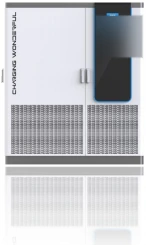
The mechanical garage frees ground space for charging, with linked parking, video and charging systems and fees for occupying charge bays. The catalogue pairs a 960 kW host, 600/250 kW terminals and a 125 kW / 261 kWh cabinet.
The source shows an integrated park using a mechanical garage, video monitoring and a charging platform. The example pairs a 125 kW / 261 kWh modular cabinet with a 960 kW power unit and 600 kW and 250 kW terminals. Cabinet features include continuous monitoring, temperature control, modular expansion and at least 92% charging and discharging efficiency as stated in the source.
The brochure cites a five-minute charge for 300 km in its example, four safety layers and 11 tests, a stated service life of over 12 years and lighter, quieter charging equipment. The actual charging outcome depends on the vehicle and site conditions.



Source page 33
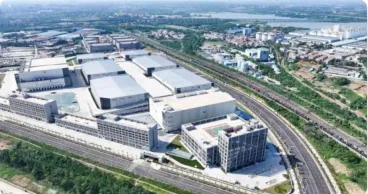
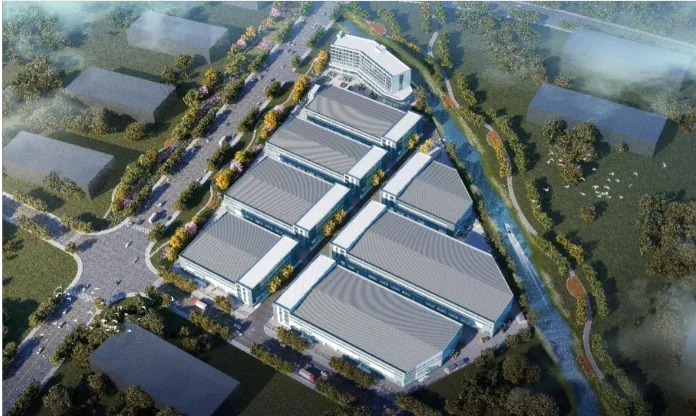
The catalogue describes nine sites in the Chongqing Microelectronics Park package and cooperation on 52 stations in Wanyang industrial parks nationwide.
The Chongqing package is described as a distributed solar, storage and charging network for the industrial park. The Wanyang example concerns coordinated fast-charging development across industrial parks.

Source page 34
Dedicated heavy-truck stations on expressways and national and provincial roads are shown with a 400 kW dual-connector charger and a 1,280 kW host with 1,200 kW terminal.
For dedicated heavy-truck sites, the 400 kW charger supports simultaneous charging through two connectors, real-time monitoring, a wide voltage range, low noise and a peak efficiency of 96.5% as stated in the source.
For the 1,280 kW cabinet and 1,200 kW terminal, the brochure cites up to 80% state of charge in 15 minutes under its example conditions, four safety layers, 11 tests and a service life above 12 years. It also describes a lighter cable and lower noise.

Source page 35
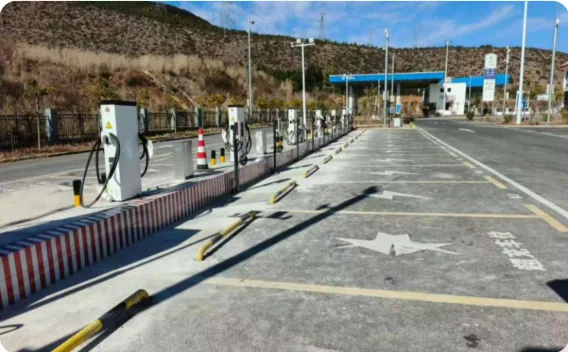
The catalogue shows Huali Expressway, Wuzhou in Guangxi and Sanqing Expressway, with separate service-area and parking-area equipment counts in the source captions.
Huali Expressway: 160 DC chargers at 12 service areas. Wuzhou, Guangxi: 73 DC chargers rated 120 kW across two service areas and three parking areas. Sanqing Expressway: 20 DC chargers rated 120 kW at four parking areas.


Source page 36
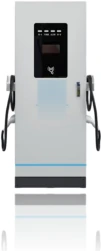
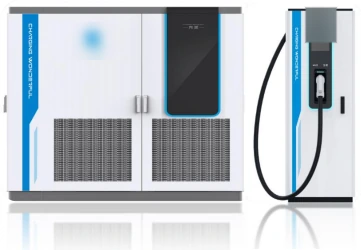
Mine and cement plant layouts combine charging points and dispatching for heavy trucks. The catalogue lists 400 kW dual-connector equipment and a 1,280 kW host with 1,200 kW terminal.
The layout is tailored to cement plants and mines with charging bays and intelligent truck dispatch. The 400 kW equipment supports two simultaneous connectors, real-time safety monitoring, a wide voltage range and up to 96.5% efficiency as stated in the source.
The higher-power configuration uses a 1,280 kW cabinet and 1,200 kW terminal. The source cites 15 minutes to 80% in its charging example, four safety layers, 11 tests, service life over 12 years, lighter cables and lower noise.

Source page 37
The case list includes Xiamen Haicang (10 × 400 kW dual-connector units), CR Cement Longyan (32 chargers across four sites, eight operational at the time) and Jiangxi Southern Cement (109 chargers across 15 plants).

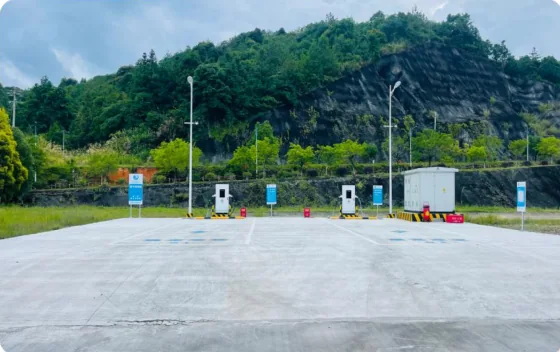
厦门海沧重卡超充站 华润水泥龙岩重卡超充站 江西水泥重卡超充站
工矿园区超充站案例
与海沧捷震物流合作,1个场站共计10台400kW一体
式双枪充电桩
与华润水泥有限公司进行合作,共计4个场站建设32
台重卡充电桩,8台已投入运营
与江西南方水泥合作,共计15座水泥厂建设109台重卡
充电桩
Source page 38
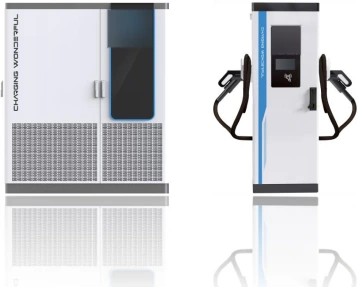
Public transport stations integrate bus parking and multiple charging types with station construction, equipment supply and digital operations.
| Item | Catalogue value |
|---|---|
| Power density gain | 25% |
| Power allocation time | ≤10 ms |
| Cable weight reduction | 50% |
| Protection and testing | Four protections, 11 above-standard tests |
The proposed bus depot layout uses a 720 kW power cabinet and a 250 kW charging terminal. The figures in the table are the catalogue’s stated values.

Source page 39
Examples list Guanlan Dashuikeng in Shenzhen (600 bus spaces, 213 chargers), Youhu in Wuhan (400 and 30) and Gaoxin Second Road in Wuhan (20 and 9).
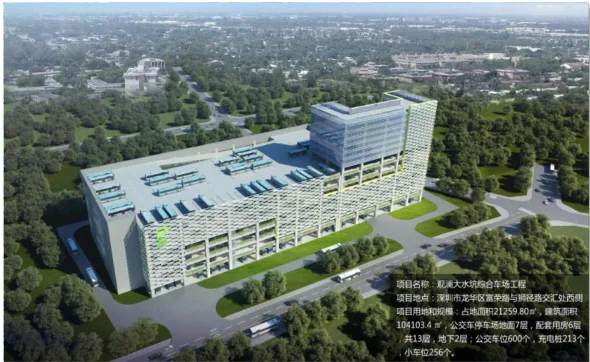


公共交通超充站案例
深圳龙华区观澜大水坑综合车场
(公交停车位600个,充电桩213个)
武汉游湖公交新能源服务综合体
(公交停车位400个,充电桩30个)
武汉公交高新二路停车场超充站
(公交停车位20个,充电桩9个)
Source page 40
The source describes Pony.ai demonstration sites at Zhongshan Park Baseball Field and Shahe Golf, a strategic agreement with Apollo Go and a joint autonomous charging ecosystem with Huawei.
The charging robot is designed to coordinate vehicles, stations and the operating platform. The two Pony.ai demonstration sites illustrate automated charging as part of unattended fleet operations.
Source page 41
The catalogue shows Shahe Golf, Zhongshan Park Baseball Field and Chongmei Foshan Scenic Area No. 9 fast-charging station.

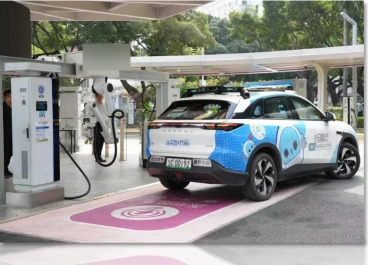
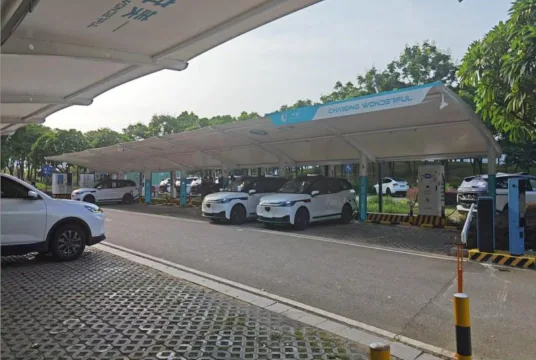
深圳南山区沙河高尔夫球场超充站 深圳中山公园棒球场超充站 充美佛山风景区9号超充站